Developments in Heat Transfer Equipments: What You Need to Know for Optimum Performance
Innovations in Heat transfer systems are transforming performance across various industries. Advanced products like graphene and nanofluids promise considerable improvements in thermal conductivity. The combination of IoT and equipment understanding offers possibilities for real-time surveillance and improved energy effectiveness. The landscape of thermal management is quickly advancing. Recognizing these growths is necessary for accomplishing excellent system performance and sustainability in the future. What particular innovations are forming this transformation?
Emerging Materials for Boosted Heat Transfer
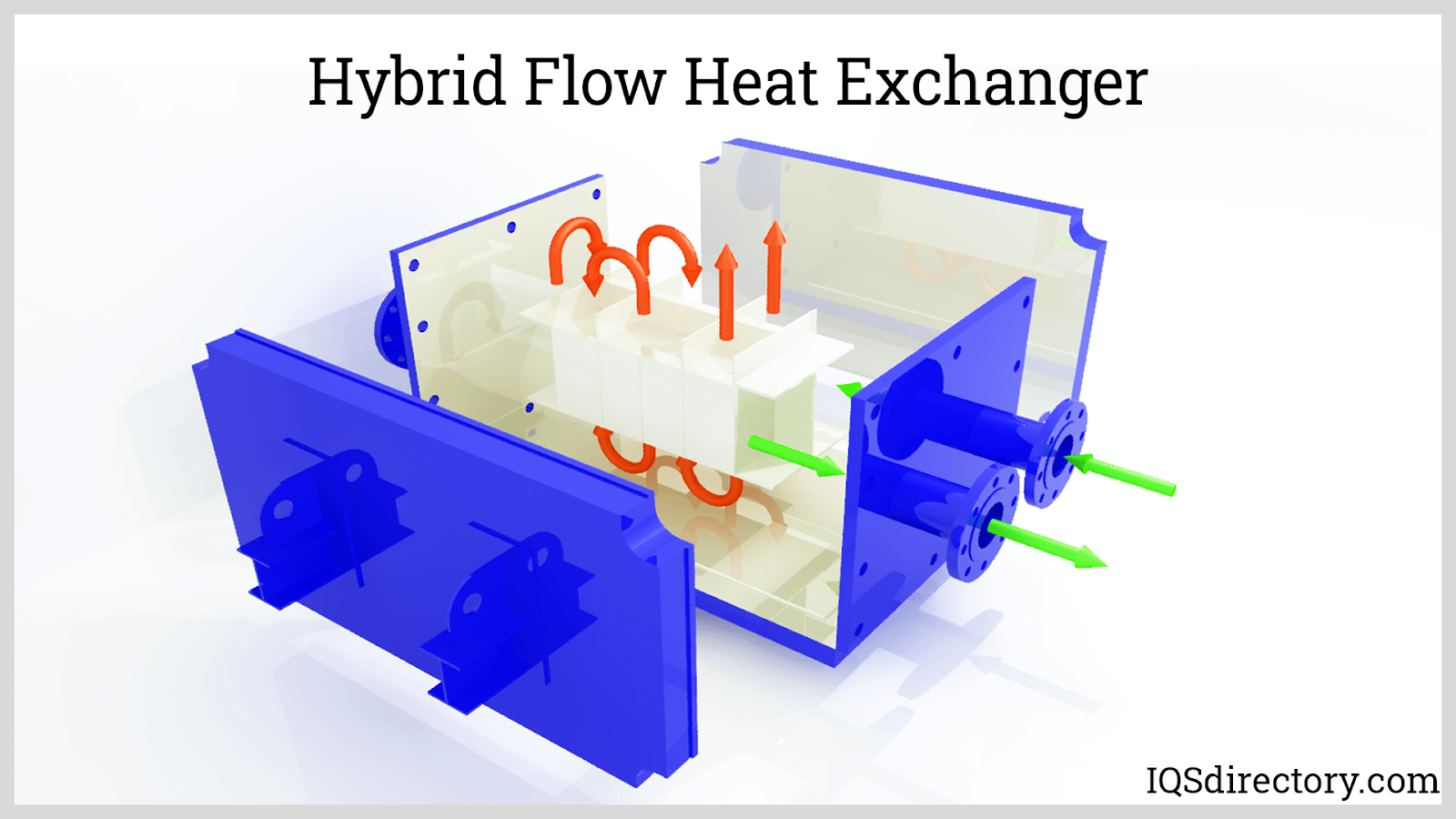
Advanced Heat Exchanger Styles
While conventional Heat exchangers have served their objective in different applications, advanced styles are currently arising to meet the increasing demands for efficiency and performance. These ingenious layouts, such as plate, shell-and-tube, and finned-tube Heat exchangers, incorporate improved area and improved circulation patterns to raise thermal transfer rates. On top of that, compact designs permit for minimized area requirements without jeopardizing performance. Advanced products, such as compounds and corrosion-resistant alloys, furthermore enhance longevity and efficiency under extreme problems. Simulation technologies and computational fluid characteristics are significantly employed to improve these styles, making sure peak Heat transfer qualities. As markets look for to minimize power intake and make the most of output, the fostering of sophisticated Heat exchanger styles is pivotal in accomplishing these goals.
The Role of Nanotechnology in Heat Transfer
Nanotechnology plays a crucial function in improving thermal conductivity within Heat transfer systems. By adjusting materials at the nanoscale, researchers have actually achieved substantial renovations in power performance. These developments not just optimize performance yet likewise add to more lasting power services.
Boosted Thermal Conductivity
Significant developments in thermal conductivity have emerged through the application of nanotechnology, changing Heat transfer systems across different sectors. By incorporating nanoparticles into Heat transfer fluids and products, researchers have achieved impressive increases in thermal conductivity. These nanoparticles, such as carbon nanotubes, graphene, and metal oxides, boost the Heat transfer homes due to their high area and special thermal characteristics. The resulting composites exhibit improved performance in applications ranging from electronics cooling systems to sustainable power innovations. Furthermore, the ability to customize the size, form, and make-up of nanoparticles enables maximized thermal administration remedies. Consequently, nanotechnology proceeds to play a crucial duty in the development of more reliable and reliable Heat transfer systems, paving the way for enhanced industrial applications.
Power Effectiveness Improvements
Combination of IoT in Heat Transfer Systems
The assimilation of IoT in Heat transfer systems introduces the execution of clever sensing units that boost functional effectiveness. These sensors enable real-time information tracking, permitting prompt modifications and optimizations. This technical advancement has the potential to considerably boost performance and power administration in Heat transfer applications.
Smart Sensors Execution
As Heat transfer systems evolve, the integration of smart sensors via the Web of Things (IoT) has emerged as a transformative approach. These sensing units make it possible for real-time monitoring of flow, temperature, and stress prices, improving system performance and reliability. By click reference gathering and transmitting information, they promote positive maintenance, lowering the threat of system failures. Additionally, smart sensing units contribute to energy financial savings by refining operational parameters based on ecological problems. Their capacity to analyze abnormalities and trends allows for educated decision-making, making sure peak efficiency of Heat transfer systems. As markets significantly embrace this technology, the execution of wise sensors stands to reinvent just how Heat transfer systems are managed, leading the way for greater sustainability and enhanced performance outcomes.
Real-Time Data Surveillance
Just how can read review real-time data monitoring enhance the efficiency of Heat transfer systems? By integrating Internet of Points (IoT) technology, Heat transfer systems can utilize constant data collection from clever sensing units. This real-time surveillance enables for immediate analysis of stress, circulation, and temperature prices, allowing drivers to determine ineffectiveness without delay. Modifications can be made to enhance performance, reduce power usage, and prolong devices lifespan. Additionally, anticipating upkeep can be applied, lessening unexpected downtime and pricey repair services. The capability to imagine performance metrics with dashboards boosts decision-making, promoting a proactive method to system monitoring. Ultimately, real-time data monitoring not only boosts functional performance yet also contributes to sustainability goals within commercial procedures.
Energy Effectiveness and Sustainability Trends
Power effectiveness and sustainability patterns are reshaping the landscape of Heat transfer systems, driving advancement and compliance throughout numerous industries. Organizations are increasingly prioritizing energy-efficient designs to minimize functional costs and lessen ecological impacts. The assimilation of sustainable power resources is becoming extra widespread, enabling Heat transfer systems to operate sustainably while satisfying governing requirements. In addition, innovations in modern technologies and products advertise reduced energy consumption and boost general performance. Lifecycle analyses are also obtaining traction, permitting companies to evaluate the environmental influence of Heat transfer systems from production to disposal. This focus on sustainability not just supports company duty however additionally positions companies competitively in a market where consumers progressively favor green solutions. Energy efficiency and sustainability remain essential considerations for future advancements in Heat transfer innovation.
Developments in Thermal Management Solutions
While the demand for efficient Heat transfer remains to climb, innovations in thermal administration services are emerging to address both performance and sustainability challenges. Advanced products, such as phase adjustment materials and nanofluids, are being established to boost Heat transfer performance - DVS Heat Transfer Systems. These materials boost thermal conductivity and permit for better temperature guideline in different applications. Furthermore, modern technologies like energetic thermal control systems are obtaining traction, enabling real-time changes to take care of Heat flow successfully. These systems contribute to energy financial savings and lower the environmental influence of thermal processes. The combination of IoT in thermal administration promotes surveillance and predictive maintenance, ensuring enhanced performance and durability of Heat transfer systems. Overall, these advancements represent substantial strides toward even more sustainable thermal management methods
Future Directions in Heat Transfer Innovation
Arising innovations in thermal monitoring options signal an appealing future for Heat transfer innovation. Researchers are increasingly concentrating on creating materials with premium thermal conductivity and improved energy performance. Advancements such as nanofluids, which contain suspended nanoparticles, provide considerable improvements in Heat transfer efficiency. In addition, the combination of smart materials that adapt to differing temperature level conditions is gaining grip, enabling more efficient and responsive systems. The increase of additive manufacturing strategies is also allowing the style of complicated Heat exchanger geometries that enhance fluid circulation. Moreover, the implementation of artificial intelligence formulas is expected to change the optimization of Heat transfer systems, promoting anticipating upkeep and performance enhancement. Collectively, these developments are poised to transform the landscape of Heat transfer innovations in numerous markets.

Often Asked Inquiries

How Do I Select the Right Heat Transfer System for My Application?
Picking the appropriate Heat transfer system entails assessing application demands, consisting of temperature level arrays, liquid homes, and effectiveness requirements. Examining system kinds, upkeep considerations, and cost-effectiveness additionally plays an essential role in making an educated choice.
What Are the Upkeep Requirements for Advanced Heat Exchangers?
Upkeep needs for sophisticated Heat exchangers normally include routine assessments, monitoring for leakages, cleansing of surfaces, and ensuring excellent circulation rates. Sticking additional info to manufacturer standards guarantees reliable procedure and prolongs the equipment's life expectancy.
Just How Do Ecological Variables Affect Heat Transfer Performance?
Environmental elements considerably affect Heat transfer performance. Variants in temperature, air movement, and humidity effect thermal conductivity and convective Heat transfer, inevitably impacting system performance and requiring consideration during the design and procedure of Heat transfer systems.
What Safety Standards Relate To Heat Transfer Solutions?
Security standards for Heat transfer systems commonly include standards from organizations such as ASME and ASTM. DVS Heat Transfer Systems. These standards address materials, layout, and functional practices to ensure dependability, performance, and defense versus dangers in different applications
How Can I Repair Usual Heat Transfer System Issues?
Repairing typical Heat transfer system issues entails looking for leaks, guaranteeing correct liquid circulation, inspecting insulation stability, and validating temperature differentials. Identifying these elements can assist keep system performance and stop more difficulties.
Nanotechnology plays a vital duty in enhancing thermal conductivity within Heat transfer systems. Considerable advancements in thermal conductivity have emerged with the application of nanotechnology, transforming Heat transfer systems across different industries. Developments in thermal conductivity through nanotechnology have actually led the method for exceptional enhancements in energy effectiveness within Heat transfer systems. Power performance and sustainability fads are improving the landscape of Heat transfer systems, driving technology and conformity across various industries. The assimilation of IoT in thermal administration promotes surveillance and anticipating upkeep, making certain optimized performance and long life of Heat transfer systems.
Comments on “Live Data Feedback: How DVS Heat Transfer Systems Enable Predictive Maintenance”